PHOTOGRAPHY is the art ,application and practice of creating durable images by recording light or other electromagnet radiation,either electronically by means of image ,or chemically by means of light-sensitive material such as photographic film.it is employed in many fields of science,manufacturing and business,as well as its more direct users for art, film and video production,recreational purposes,hobby,and mass communication. Typically, a is used to focus the light reflected or emitted from objects into a real images on the light-sensitive surface inside a camera during a timed exposure. With an electronic image sensor, this produces an electrical charge at each pixel, which is electronically processed and stored in a digital image file for subsequent display or processing. The result with photographic emulsion is an invisible latent image, which is later chemically “developed” into a visible image, either negative or positive depending on the purpose of the photographic material and the method of processing. A negative image on film is traditionally used to photographically create a positive image on a paper base, known as a print, either by using an enlarger or by contact printing.
Etymology:-
The word “photography” was created from the Greek roots (photos), genitive of , “light” and “representation by means of lines” or “drawing”, together meaning “drawing with light”.
The inventors Nicéphore Niépce, Henry Fox Talbot and Louis Daguerre seem not to have known or used the word “photography”, but referred to their processes as “Heliography” (Niépce), “Photogenic Drawing”/”Talbotype”/”Calotype” (Talbot) and “Daguerreotype” (Daguerre).[9]
The German newspaper Vossische Zeitung of 25 February 1839 contained an article entitled Photographie, discussing several priority claims – especially Henry Fox Talbot‘s – regarding Daguerre’s claim of invention.[7] The article is the earliest known occurrence of the word in public print.[8] It was signed “J.M.”, believed to have been Berlin astronomer Johann von Maedler.[9] The astronomer Sir John Herschel is also credited with coining the word, independent of Talbot, in 1839.[10]
HISTORYOF PHOTOGRAPHY:–
Photography is the result of combining several technical discoveries, relating to seeing an image and capturing the image. The discovery of the camera obscura (“dark chamber” in Latin) that provides an image of a scene dates back to ancient China. Greek mathematicians Aristotle and Euclid independently described a camera obscura in the 5th and 4th centuries BCE. In the 6th century CE, Byzantine mathematician Anthemius of Tralles used a type of camera obscura in his experiments.
The Arab physicist Ibn al-Haytham (Alhazen) (965–1040) also invented a camera obscura as well as the first true pinhole camera.[12][14][15] The invention of the camera has been traced back to the work of Ibn al-Haytham.[16] While the effects of a single light passing through a pinhole had been described earlier,[16] Ibn al-Haytham gave the first correct analysis of the camera obscura,[17] including the first geometrical and quantitative descriptions of the phenomenon,[18] and was the first to use a screen in a dark room so that an image from one side of a hole in the surface could be projected onto a screen on the other side.[19] He also first understood the relationship between the focal point and the pinhole,[20] and performed early experiments with afterimages, laying the foundations for the invention of photography in the 19th century.
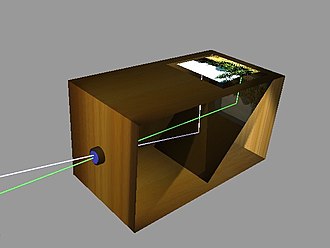
image of fist camera
15 types of photography genres you can pursue as a professional photographer :-

1 – Wedding Photography
The first type of photography job involves weddings and events. Many people go their entire lives and only pay for professional photography once, but nearly everyone hires a photographer for their wedding.
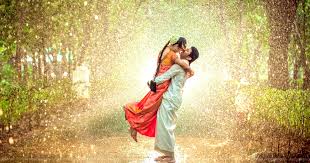
2 – Event Photography
In the same vein, event photography is a dynamic and fast-paced way to make a buck with your camera. Whether your beat is corporate events or wild and crazy rock concerts, event photographers work in a variety of settings. Event photography styles often involve a mixture of photojournalistic documentary work and portraiture. Some organizations use their event photos for publicity purposes, while other use party photos as souvenirs or keepsakes.

3 – Portrait Photography

Portraiture is one of the most common types of photographer that we think of when we consider career options. The kinds of photography that can be included in portraits is astounding. Retail customers seek out portrait photographers for every phase of life: maternity and newborns, school photos, senior photos, and general family photos. Corporate portraits are also commonly needed as employees update their headshots for websites and publicity materials. Furthermore, aspiring and professional models are in constant need of updated portfolios with a catalog of current shots to market themselves for agencies and jobs.
4.production photography

More specific than working in advertising, product photography is a great specialization. Think about all of the products you have recently shopped for: everything needs to be photographed. The photos are used for online and print catalogs, as well as for labels and packaging. Most product photography is studio based, with careful control of backgrounds, shadows, and lighting.
Product photography covers a lot of ground. Food photography is a specialized niche, and restaurants need to advertise their meals and create their menus. Jewelry is another favorite type of product photography since this requires the perfect balance of light and preparation. While some product shoots might involve models, many times you will be working solo in a studio doing still life photographs of small objects.
5 – Fine Art Photography

Of all of the types of photography, this is the one with no rules. Fine art photographers create art. They display their work in galleries and at art shows, and generally, they sell a finished, framed print product to their customers. Fine art photography can be of any subject at all, but landscape and portrait artists are probably the most common. Fine art images are about capturing emotional responses and communicating with the audience.
6 – Fashion Photography

Fashion photography is one of the more glamorous and more difficult to enter photography jobs. From cover shots of the top fashion magazines to documenting the latest styles and trends on the runway, fashion photographers work in the design districts of New York, Paris, and Milan. Runway shoots require an element of documentary photography, while posed shoots on location demand one-on-one work with the model.
Catalog and magazine shoots might also occur on location, from tropical beaches to subway. In this style of glamour photography, the look of the photographs is everything. Lighting must be perfect. This is a job that is also focused on the model, so a majority of the photographers time is spent posing and directing models and scenes to get the look desired from the publication.
Fashion shoots are all about teamwork, and they are done by a group of people. The photographer is just one cog in the wheel. Stylists, wardrobe specialists, makeup artists, art directors, and others make up a team that keeps the shoot on track and make the magic happen.
7 – Architectural Photography

While many find taking pictures of buildings to be a fun hobby, many specialized photographers make careers out of it. Employed by architectural agencies or working as freelancers, these photographers capture the essence of buildings from inception to completion. Details captured include the exteriors and interiors, and subtle details that make the building’s design unique. Architectural photography requires some special techniques and equipment to minimize distortion and perspective problems that become apparent on a building’s many right angles.
A subdivision is real estate photography. Realtors always need excellent photographs, especially in today’s market where many customers view many properties online before deciding to go see them. High-quality architectural pictures are difficult to get right, and realtors will pay for professional photos especially in the high-end market.
8 – Travel Photography
Do you love to travel? Would you like to get paid for it? Who doesn’t? Travel photography allows you to do just that while having fun with your camera in dynamic settings. Travel photography blends many different types of photography into one. On one trip you might want to focus on the people and the lifestyles present in a place, while also capturing the landscapes and the natural world in which it’s located. Macro details and wildlife photography might be included too. Be it on the beaches of Bali or the ice fields of Antartica, the job of a travel photographer is to transport their audience to that place without them having to leave home.
9 – Advertising or Lifestyle Photography
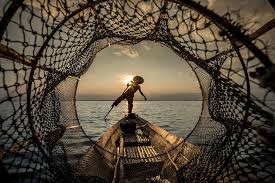
Everywhere we go we are surrounded by photography. Photography is on billboards, street signs, magazine ads, even in our pockets on our smartphones. Captivating photography makes the advertising world tick, and photography has never been more in demand than it is right now.
Advertising photography can include a range of subjects, like street photography, lifestyle photography, fashion photography, or product photography. Advertising photographers can work as freelancers, selling images on a project-by-project basis, or they might work directly for major ad agencies. Either way, this is a dynamic field where you may be shooting for a print ads campaign one day and shooting internet ads the next, always with a new subject.

10 – Photojournalism

Whether it be in war zones, political rallies, natural disasters, or community celebrations, photojournalists cover breaking news. Newspapers, magazines, and online publications are all in need of still photographs to help tell their stories. Photojournalism is one of the documentary types of photography, and the goal of a photojournalist is to document the events as they unfold. While there may be some portraiture, the majority of work is done candidly and as unobtrusively as possible. The photos tell a story of events that are happening all over the world.
11 – Pet Photography
If your perfect subject is a furry friend, then pet photography might be for you. This is a growing sector and is very similar in working conditions and type of styles to portraiture; only your subjects may require treats when they are good. If you love animals, then there is no better job as a photographer. Pet photography involves a fun mix of studio sessions and outdoor, on-location shoots. With connections to your local pet daycare facilities and dog show circuits, you can build your business fairly quickly. A great way to start out is to volunteer your time to your local pound, taking pictures of the animals and helping them find their forever homes.
12 – Sports Photography

If you love sports, then being a sports photographer is a great gig. From the sidelines, sports photographers use quick cameras and long lenses to zoom in on the action and capture the winning shots. Photos wind up in publicity materials for teams, in advertising and marketing, and in the news media online and in print.
13 – Aerial Photography

A burgeoning field of photography born from modern technology is the aerial photographer. Sure, aerial images have been around as long as manned flight and cameras have been. But today, unmanned aerial vehiclesaerial vehicles, also called drones, are making aerials within the realm of all photographers. In the US and most countries, commercial drone pilots must be licensed. The process is relatively simple and usually requires only a written exam. Aerial photography is now used for everything from architectural and real estate photography to weddings and events. The unique perspective given by drones can’t be beaten for uniqueness and beauty.
14 – Scientific or Specialty Photography
Many fields rely on great photography for publications, training materials, and record keeping. Many scientific and medical research companies employ photographers to document new findings and discoveries.
Many other industries rely on photos to conduct surveys and studies. For example, in Florida, aerial wildlife studies are routinely performed to study the numbers of manatees and birds living in remote areas. Many insurance companies rely on photographers to inspect homes and buildings, sending their photographic findings to the company to document damage or condition.
15 – Stock Photography
If all of these types of photography jobs sounded good to you, you might make a great stock photographer. Stock photographers sell the rights to use their images through catalogs. They can work as a freelancer, but more often than not photographers allow agencies to handle their sales. Stock sales usually don’t pay very much per use, but the goal of a successful stock photographer is to have an extensive catalog of images that sell often. As a result, once the photos are uploaded and being sold, they provide a source of on-going passive income.
The advantage of selling stock photos is that you can sell any type of image you want. These images are used by major ad agencies and small websites.
 about photography and styles of photography
Very good nd fantastic work
LikeLike